As a former oil painter, acrylic paint has two frustrating qualities to me, it’s thin and it’s slippery, making it hard to build texture or draw into. A simple studio fix, mixing in fine marble dust, solves both problems at once and opens up the same rich, textured surfaces once reserved for oil and cold wax.
______________________________________
The Magic Ingredient for Acrylic Paint That Changed Everything
There are two things that have always been frustrating about acrylic paint. It’s thin, which means it takes multiple coats just to build up any real body. And it’s slippery, which makes it difficult to draw into.
From Oil and Cold Wax to Acrylic
Oil and cold wax were the mediums of choice for years, and the texture and surfaces built with them were something special. Making the switch to acrylic never felt possible for a long time. Acrylic is plastic, hard, and thin, none of which offered what oil could.
Eventually, a fix emerged, one simple enough to solve both problems at once.
The Ingredient That Solves Both Problems
The solution is fine marble dust, mixed directly into the paint, especially in the early stages of a painting. It turns the paint into something closer to pancake batter, bringing real thickness without diminishing the color underneath. It’s been a genuine game changer, making it possible to get the same amazing surfaces once only achievable with oil.
There’s a second benefit too. Once the marble dust dries, it brings a tooth to the paint, similar to the texture of sandpaper. That tooth means dry media, pencil, charcoal, pastel, can be drawn directly onto the surface without slipping. A layer of spray fixative locks it in, followed by gloss medium, building up a surface with real body and depth.
How to Mix It
There’s no strict recipe here. Pour out some marble dust, somewhere around 20% to 25% relative to the paint, though exact measurements matter less than the resulting consistency. A paintbrush works well for mixing, though any tool will do. What matters most is watching the consistency change, thick, textured brush strokes replacing the usual thin coverage. If too much gets added, a little gloss medium brings it back into balance.
Applying It With a Trowel
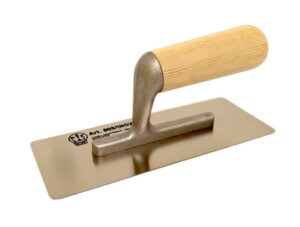
One of the most useful tools for applying this mixture is a trowel, especially in the early stages of a painting. It creates a surface that’s genuinely great to work on, one that stays damp long enough to sand, scrape, and manipulate before it sets.
Once dry, that sandpaper-like tooth allows for real drawing, and coming back over the surface with more paint on a trowel catches on all the raised bumps left behind, creating texture that couldn’t happen any other way. Pastel mixes into it beautifully, catching and skipping across the surface in a way that builds genuine depth.
Other Options Worth Knowing
Marble dust isn’t the only option. Titanium dioxide works similarly as a whitener, though it tends to shift the color more than marble dust does. Marble dust also tends to be considerably more affordable, which makes it an easy first thing to experiment with.
If this is a struggle that’s shown up in your own work with acrylic, this small addition to your studio process might be exactly the unlock you’ve been looking for.
How have you solved this in your own work, if you’ve found a fix at all? Leave a comment below and let me know.

Hi! I’m
Nicholas Wilton
the founder of Art2Life.
With over 20 years experience as a working artist and educator, I’ve developed a systematic approach that brings authenticity, spontaneity and joy back into the creative process.
Join me and artists from all over the world in our Free Art2Life Artists Facebook Group or learn more here about Art2Life.