
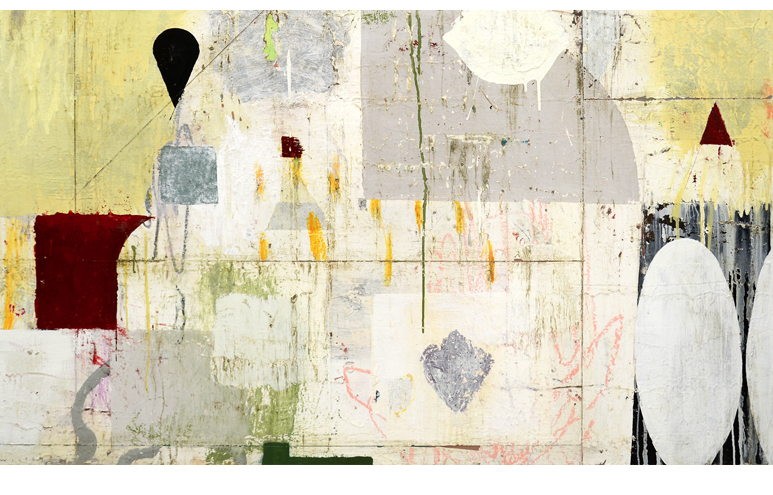
 Do you ever notice when you are creating your art how often a small section of your art will look especially better than all the rest? If you could magically crop out this one part it would be possibly the best thing you have ever made? This happens to me all the time. It took me a number of years of observing this phenomenon before I began to understand why this was happening and – more importantly – how I could make the entire artwork, not just a small part of it, strong.
I noticed that this “small parts working thing” happened more to me in the earlier stages of my career, but it was only recently I realized why.
I wish I had understood this earlier. It would have helped my art, especially when I was just starting out. Maybe understanding how to correct this can help you now.
It actually is quite simple. In my teaching, when the art has only parts working and not the whole, I call it “Partitioning.” Many students have this happen in their work. On the one hand, it can be helpful or even reassuring when you finally make something that you absolutely love. It is so nice to be able to say definitively “yes” to something you have created. To achieve this, once in a while, can really invigorate your art practice. Who cares if it is only one small cropping in the lower right? At least we have something that we know we like.
When this keeps happening, however, it can become frustrating. We are, after all, trying to make a singular strong piece of art. Like most challenges in Art, it has to do one’s thinking – not some magical ability that some have and others don’t.
[Tweet “”Look at the big picture while you work on the small.” – NW”]
When we make our Art we tend to work on different sections, some areas we like and some we do not. If we can fix all areas then possibly we can make something we love. But it is in this preoccupation, this dogged determination to solve a problem area, correct or even worse “paint around what we love” that can cause partitioning.
Overly focusing on singular parts is at the root of the problem. Instead we need to go to those problem areas, but in changing them – actually while changing them – we must look at and consider all the other areas of the art. So in effect we are working on this close up view but simultaneously we are also considering the impact this change is having on the larger, distant view.
It is a little like a dancer being utterly spontaneous from within while dancing but also paying attention to the external expression, how they look from all the different angles while in front of an audience. Thinking of these two views and how they effect each other, looking at the big picture while you work on the small one actually changes the kind of marks, the answers you come up with to resolve the problem area in your art.
When an artist can hold both these views simultaneously, when they can expand their awareness, the work actually feels more expansive. The work becomes uncroppable. It is perfectly strong at the scale it exists. Nothing can be added or taken away to make it stronger.
Expanding our awareness, becoming more alive, more sensitive, is really at the heart of a vibrant art practice. Stopping the habit of focusing on parts instead of the whole will lessen partitioning.
In Life the more we can broaden our awareness, the more sensitive we can become, the more expansive our Art will become, and instead of just liking parts we will fall in love with the whole.
In gratitude, Nicholas
7 Comments
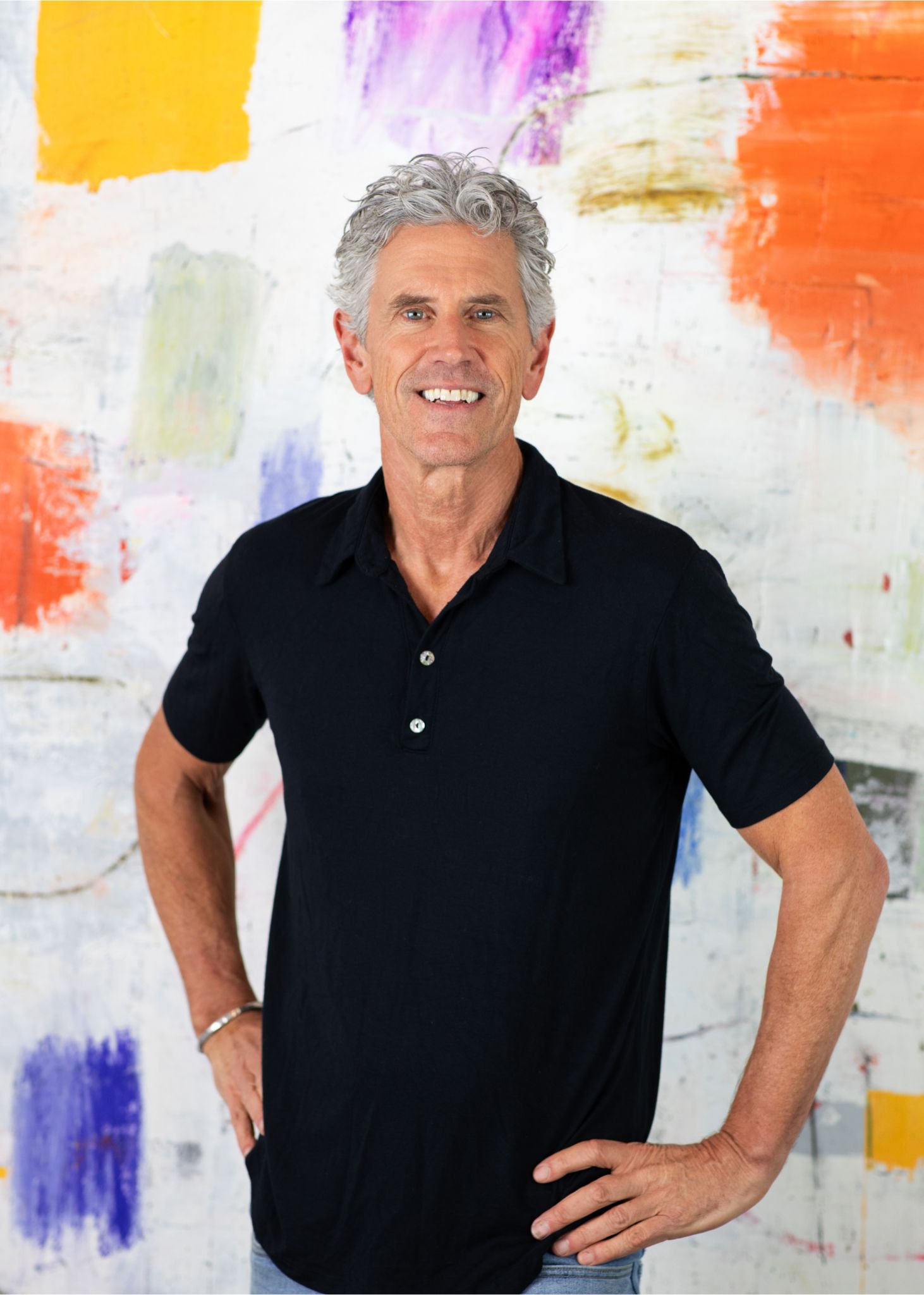
Hi! I’m
Nicholas Wilton
the founder of Art2Life.
With over 20 years experience as a working artist and educator, I’ve developed a systematic approach that brings authenticity, spontaneity and joy back into the creative process.
Join me and artists from all over the world on our Art2Life Instagram account or learn more here about Art2Life.



Nicholas,
It sounds like you are describing the idea of “integration” in your art; how to look at a small area while considering the larger, overall area and visa-versa. It’s difficult isn’t it? I’ve noticed that I can become overly attached to one element in a piece, believing that if I remove or change it, I can never repeat it. Somehow, I won’t again have the skill to make those same marks or cuts. Perhaps it’s a question of confidence. It’s been easier to let go of those precious areas when, as you suggest, you step back and look at the piece in a more macro way. Macro/micro and micro/macro!
I have enjoyed reading through back posts and also have the blog in my reader to get future posts. It’s nice that you share what you know. Thank you!
Libby
[email protected]
Nicholas,
It sounds like you are describing the idea of “integration” in your art; how to look at a small area while considering the larger, overall area and visa-versa. It’s difficult isn’t it? I’ve noticed that I can become overly attached to one element in a piece, believing that if I remove or change it, I can never repeat it. Somehow, I won’t again have the skill to make those same marks or cuts. Perhaps it’s a question of confidence. It’s been easier to let go of those precious areas when, as you suggest, you step back and look at the piece in a more macro way. Macro/micro and micro/macro!
I have enjoyed reading through back posts and also have the blog in my reader to get future posts. It’s nice that you share what you know. Thank you!
Libby
[email protected]
Hmmm, this is interesting because I feel I paint better when I do so without considering others’ viewpoints. I’m not sure we can really be 100% spontaneous and authentic as painters or dancers while thinking about how others are perceiving us (at least for those of us who are abstract painters and improvisational dancers). However, once I’ve paused in the painting process, I do step back and evaluate my work from different perspectives. I suppose if one perceives one’s audience as a warm and welcoming spirit eager to embrace one’s art (rather than a skeptical or hostile force), then the dance between canvas and artist and imagined audience will be quite joyful and satisfying.
Hmmm, this is interesting because I feel I paint better when I do so without considering others’ viewpoints. I’m not sure we can really be 100% spontaneous and authentic as painters or dancers while thinking about how others are perceiving us (at least for those of us who are abstract painters and improvisational dancers). However, once I’ve paused in the painting process, I do step back and evaluate my work from different perspectives. I suppose if one perceives one’s audience as a warm and welcoming spirit eager to embrace one’s art (rather than a skeptical or hostile force), then the dance between canvas and artist and imagined audience will be quite joyful and satisfying.
Fixating one specific part of the work can really hang you up. When working with students, I ask them “which parts they like and why?” Then I coach them how to coax the rest of the painting to support those parts. The difficult part of all this is that any change you make to the entire work has substantial impact on even the most beloved parts. It’s a moving target, like the dance performance that you describe. We move the parts, change the parts, add parts, eliminate parts and eventually the dance ends. The hope is that vision and training create something that is remembered.
Fixating one specific part of the work can really hang you up. When working with students, I ask them “which parts they like and why?” Then I coach them how to coax the rest of the painting to support those parts. The difficult part of all this is that any change you make to the entire work has substantial impact on even the most beloved parts. It’s a moving target, like the dance performance that you describe. We move the parts, change the parts, add parts, eliminate parts and eventually the dance ends. The hope is that vision and training create something that is remembered.
Oh yeah this has just happened to me, working on large piece and didn’t like the bottom left corner. Stuck as what to do, I kept within similar previous marks and changed their value….Yes I have been listening !! Now I like it as a whole. Thanks for the insight, I am kinda pleased others face this issue also.