When you’re stuck between art that others love and the new direction you want to explore, the answer isn’t to abandon your past work or keep repeating it. Instead, use your artistic history as a roadmap by literally writing down what elements you want to keep moving forward and what you want to leave behind. This simple process transforms confusion into clarity and makes your new work so much easier to create.
___________________________________________________
I was standing in my studio this morning, looking at two of my paintings, and I felt that familiar confusion rising up.
One painting is really old, been sitting in the studio for a long time. The other is more current, although it feels old to me now too. And here’s the challenge that might sound familiar to you.
I’ve had the older piece up in my studio for a couple of days, and I’ve actually had people come in and say how much they love it. But this is no longer what I want to make. It’s definitely my art, but it’s kind of confusing.
Do you ever get this challenge? That tension between what others appreciate about your work and where your creative instincts are pulling you?
The Problem with Moving Forward
Here’s what I’ve learned happens to most artists in this situation. We either completely abandon our past work and try to start fresh, or we keep making the same art because people seem to like it. Both approaches leave us feeling stuck.
The first approach disconnects us from everything we’ve learned about ourselves as artists. The second keeps us trapped in creative territory we’ve already explored.
But there’s a third way. A way that honors your artistic journey while still allowing you to evolve.
My Process for Using the Past to Inform the Future
Here’s what I do when I’m looking at older work that feels heavy-handed or outdated to me now.
I start picking it apart. Not in a destructive way, but in a curious, analytical way.
Looking at that older painting, I might think, “I don’t like the composition and I don’t like all the little things, but I definitely like the subtlety and these kinds of marks and the repainting over.” I might notice I like a certain grid-like structure, but not those clever little shapes that feel forced.
The key is being specific about what works and what doesn’t.
Then I look at the other piece and do the same thing. Maybe I notice I like the looser areas, how things are covered up and worn away, but I still see that same problem with small, repetitive elements.
The Simple Technique That Changes Everything
This is how I figure out what the new work’s going to look like. It’s not going to look like these old paintings, but there are aspects of both pieces that I want to keep moving forward.
I literally write it down.
I make lists:
- What I want to keep from this phase of my work
- What I want to leave behind
- What new directions feel exciting
This isn’t about copying my old work or completely rejecting it. It’s about using my artistic history as a platform to riff off of.
Why This Process Works So Well
When I go through this process, I get clarity about the new work. And the work becomes much easier to make once I’ve used my old work as a launching pad.
I don’t know exactly what the new paintings will look like, but I know what I don’t want. And getting clear about that, plus getting clues about where I’m going, makes a giant difference.
Your artistic history isn’t something to be ashamed of or completely abandoned. It’s a treasure trove of information about who you are as an artist and where you’re headed.
Looking for Clues Everywhere
This process extends beyond just your paintings. There are clues in your past everywhere:
- Things that are in your studio
- Art you’ve made over the years
- Shows you’ve seen that moved you
- Colors that consistently draw you in
- Techniques that feel natural in your hands
All of these elements are breadcrumbs leading you toward your most authentic artistic expression.
The Best Use of Your Time as an Artist
Taking a pause to do this kind of reflection is honestly the best use of your time as an artist. Most of us are so busy making the next piece that we never step back to understand the patterns in our work or what truly brings us alive.
But when you spend time looking at everything historically, you start to see your creative compass more clearly. You begin to understand what makes your art different from everyone else’s in the most beautiful way.
This process isn’t about perfection or getting everything right. It’s about understanding yourself better so you can make art that feels more authentically yours.
Your past work isn’t a burden to overcome. It’s a foundation to build on. Every mark you’ve made, every color choice, every composition has taught you something about who you are as an artist.
The question isn’t whether you should honor your past or move toward your future. The question is how you can use everything you’ve learned to make your most powerful work yet.
What are the things you’re wanting to hold onto in your new future art? What patterns do you notice when you look back at your creative journey?
Your authentic voice has been developing all along. Sometimes you just need to pause long enough to hear what it’s been telling you.
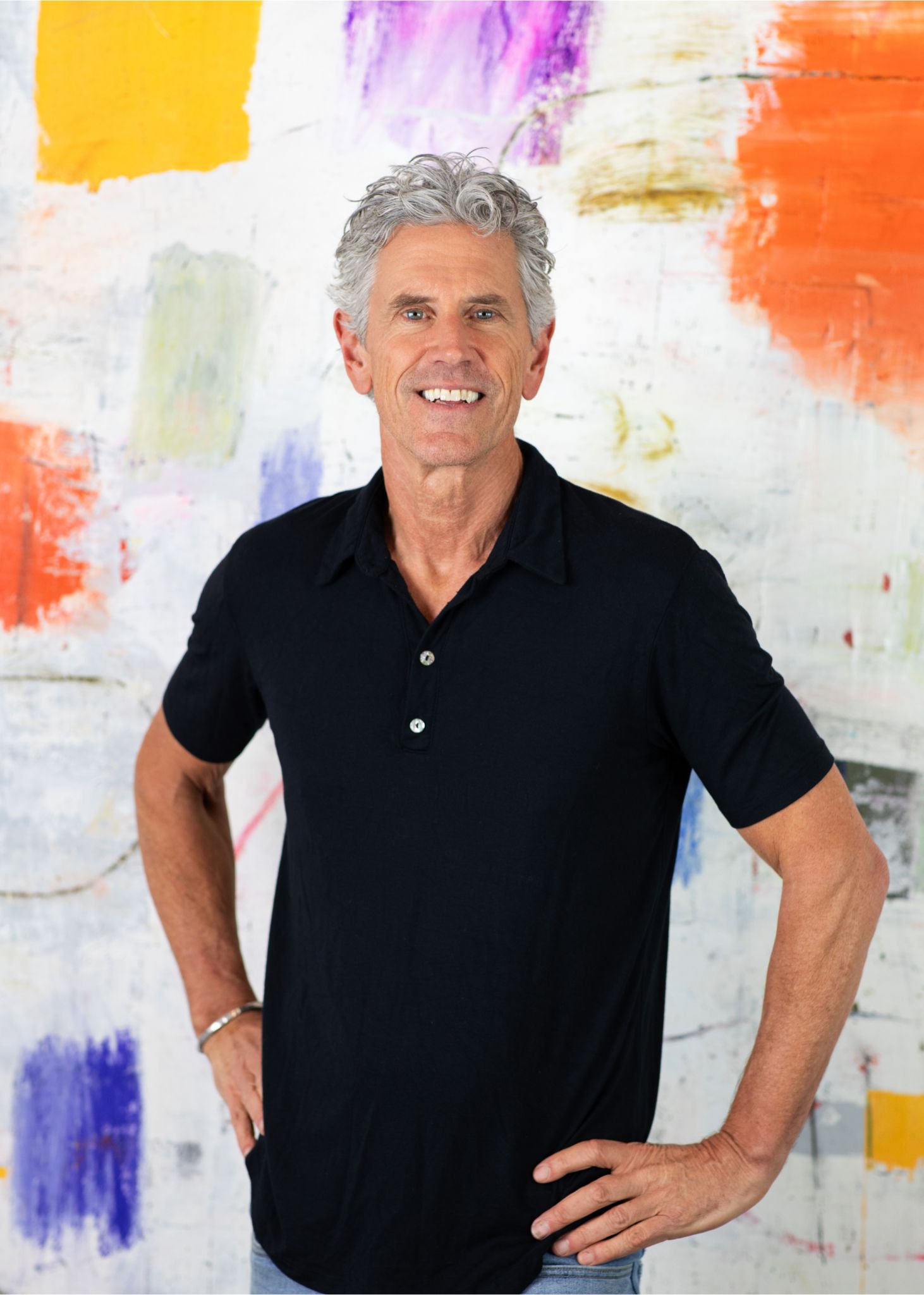
Hi! I’m
Nicholas Wilton
the founder of Art2Life.
With over 20 years experience as a working artist and educator, I’ve developed a systematic approach that brings authenticity, spontaneity and joy back into the creative process.
Join me and artists from all over the world on our Art2Life Instagram account or learn more here about Art2Life.