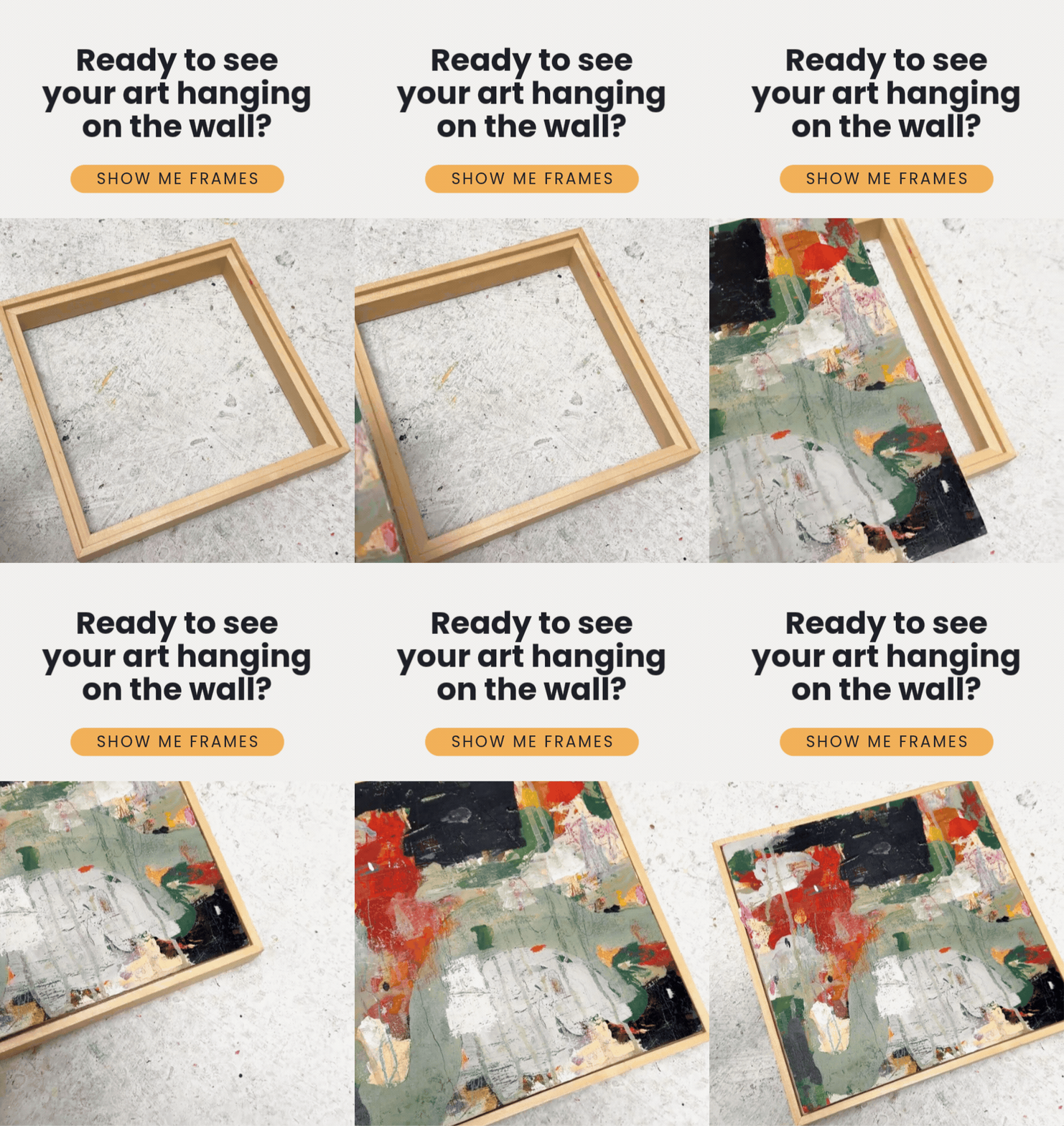
Working on a big, heavy panel can make it tempting to stick with one static setup out of sheer practicality. A simple shift, thumbtacking raw canvas to a panel and laying it flat on the ground, opens up an entirely different way of seeing and working, one that’s harder to access once a piece is stretched and mounted upright.
______________________________________
Why Painting on the Floor Changes Everything
This week in the studio brought a completely different way of working, one that ended up solving a problem that had been quietly slowing things down for a long time.
The Problem With Heavy Panels
Working on big, heavy panels comes with a very real, very practical challenge. Flipping a piece around to see it from different angles is a normal part of the process, but some panels are simply too heavy to lift alone. That limitation alone can end up dictating how a piece gets approached, whether that’s the right call creatively or not.
A Simpler Setup
The fix turned out to be refreshingly simple. Raw canvas, thumbtacked directly onto a wooden panel, no stretcher bars involved. That alone keeps the option to work vertically when it’s useful. But it also opens up something else entirely, the ability to lay the whole panel flat on the ground.
What Becomes Possible on the Ground
Once a piece is flat, a whole different range of movement becomes available. The canvas can be folded. Crumpled. Even walked on directly. None of that is possible once a piece is stretched and mounted upright, and yet all of it changes the kind of marks and textures that end up on the surface.
There’s something powerful about being able to walk all the way around a piece while it’s flat, having access to the top, the sides, and the bottom all at once. Standing up and stepping back offers a completely different vantage point than working vertically ever can. The whole thing can be seen flat, then propped up, then flipped, then seen again, each shift in orientation revealing something new.
Why This Matters Beyond the Technique
Seeing a piece the exact same way, from the exact same angle, day after day, is often exactly what gets in the way of real objectivity. A setup this different forces a fresh look, one that’s much harder to access from the same static position.
It’s worth trying, even with a scrap piece of canvas lying around. It tends to be far more fun and far more revealing than expected.
Also This Week…
A highlight for me earlier this week was discovering photographer Damon Winter, who has spent countless hours underground in the New York City subway, hunting for beauty most of us rush past.
Rusted iron beams, crumbling tile patterns, peeling paint in unexpected colors. His images ran in a New York Times guest essay last week, and they’re gorgeous. I can’t look at them without wanting to pick up a trowel and paint.
Then on Sunday, which was kind of rainy, Cherie and I decided to catch a matinee. It was the perfect day for it. On the way to the theater, we found this one, and it broke us both wide open.
Run, don’t walk, to see this film. It’s called Cycle of Love. Set in 1977, it follows PK Mahanandia, a Delhi street artist who rode a bicycle 6,000 miles across continents to reunite with the woman he loved. It’s a reminder of how far the heart will carry us when we know what we’re moving toward.
Then, in the busiest, most hectic part of my week, I came across something remarkable that brought me back to the idea that clearing space allows something new to walk in.
It comes from Ellen Brook and Suzanne Lewis, who host Wabi Sabi: The Imperfect Quiet Hour, in BloomStudio every Monday at 4pm PT. Here’s how they described what happened this week:
“Today was Broom to Bloom, our quarterly session for participants to clear at least one thing from their studio, a shelf, a corner, a broken tool, or clear a part of a painting they’ve been avoiding. This can clear the mind and make way for creativity, ideas, movement, and action.
The quiet and clearing produced some great results.
- One participant started two collages because she could finally see what paper she had.
- Another saw the threads in their artwork that could be hung together, even if it wasn’t painted together.
- A third used the awareness of her compulsion to clean to lean into more acceptance of imperfection.”
A new way of working, a photographer’s eye underground, a love story on two wheels, a room cleared just enough to let something new in. Different doorways, same lesson.
What’s one of these that resonates most this week? Leave a comment below and share your thoughts.
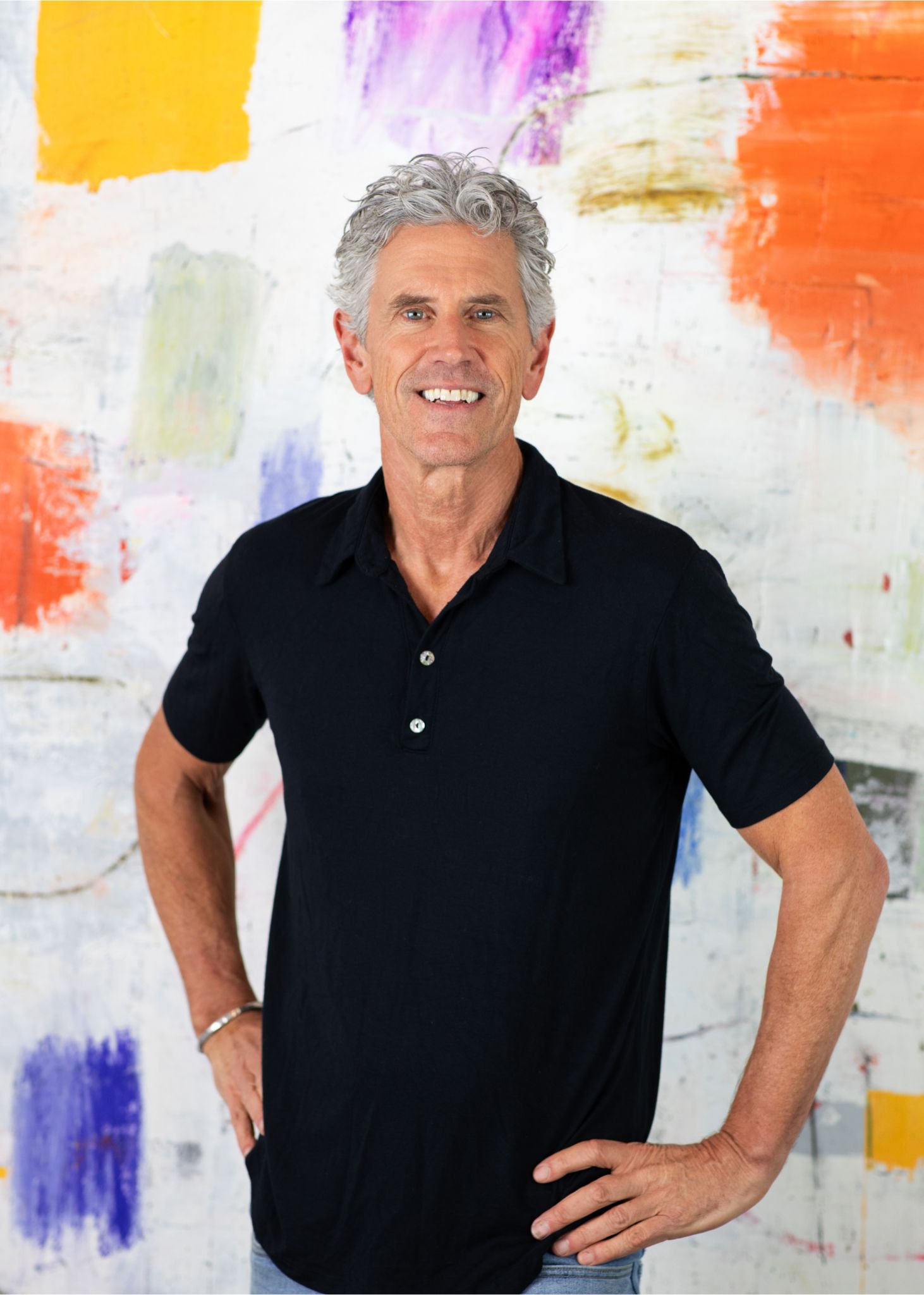
Hi! I’m
Nicholas Wilton
the founder of Art2Life.
With over 20 years experience as a working artist and educator, I’ve developed a systematic approach that brings authenticity, spontaneity and joy back into the creative process.
Join me and artists from all over the world on our Art2Life Instagram account or learn more here about Art2Life.